Steal These 27 Wedding Food Ideas Guests Rave About
Wedding food ideas guests actually talk about a year later. Real menus, real prices, and the formats that consistently get praised across budgets.
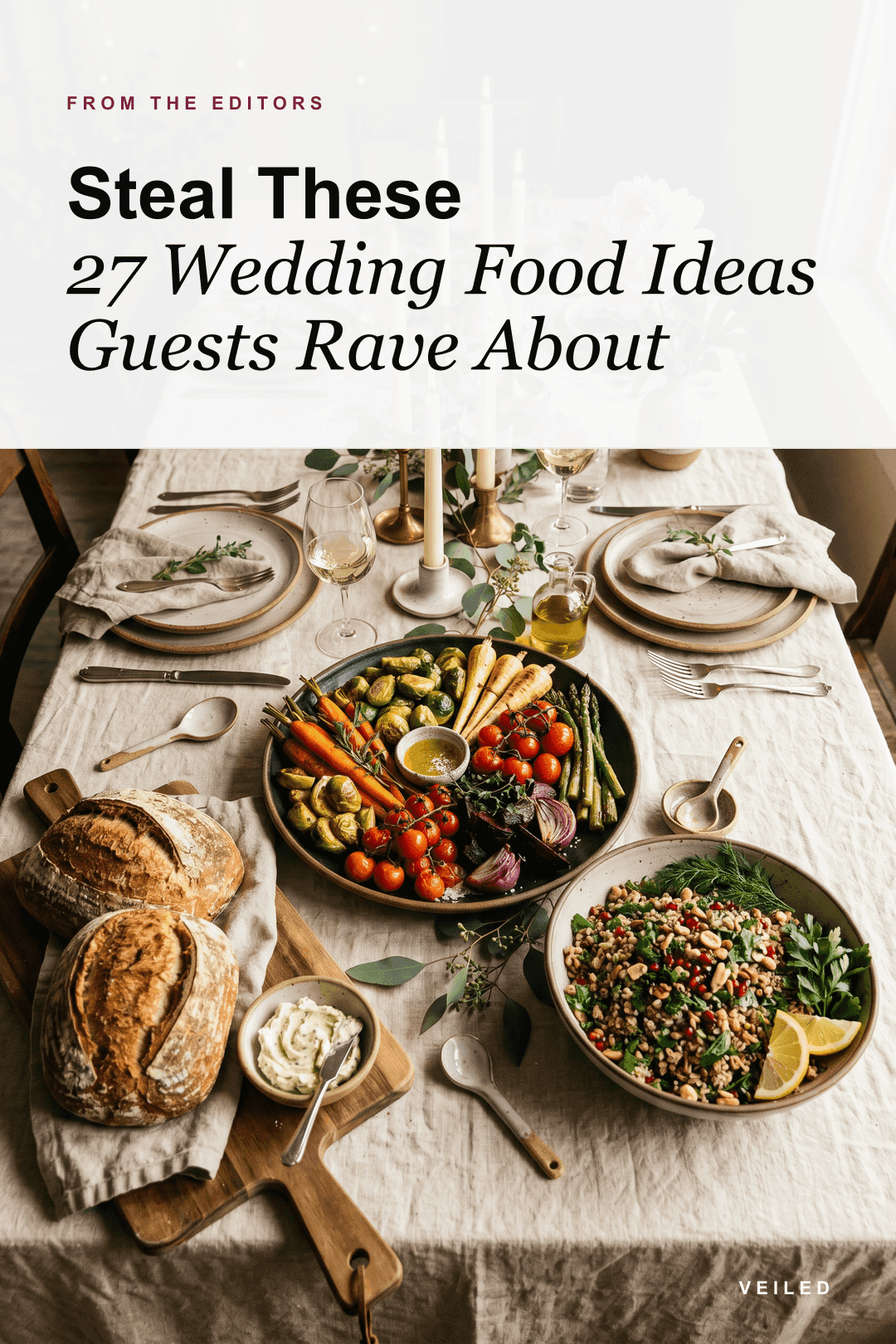
Wedding food ideas that guests still mention a year later have a clear pattern: they're either unexpectedly elevated (a single course done exceptionally well) or unexpectedly relaxed (real food at a wedding scale). The middle ground (generic plated dinner with chicken or fish, served in 15-minute waves) is what guests politely forget within a month. Here are the wedding food ideas couples we've featured in 2025-2026 say guests still rave about, sorted by format.
Why guests forget most wedding food
The standard wedding plated dinner is engineered for risk-aversion: chicken or fish or vegetarian, all three palatable, none memorable. The caterer's incentive is no complaints, not raves. The result is food that scores 6/10 across the board and gets remembered as 'fine.'
Food that gets remembered hits either end of the spectrum. The first end: deliberately simple, executed exceptionally well (a single perfect protein, a real wood-fired pizza, hand-rolled pasta). The second end: deliberately abundant and family-style (grazing tables, long platters of seasonal vegetables, bread the chef baked that morning). The middle is where memories die.
Wood-fired pizza or pasta stations (the standout 2026 trend)
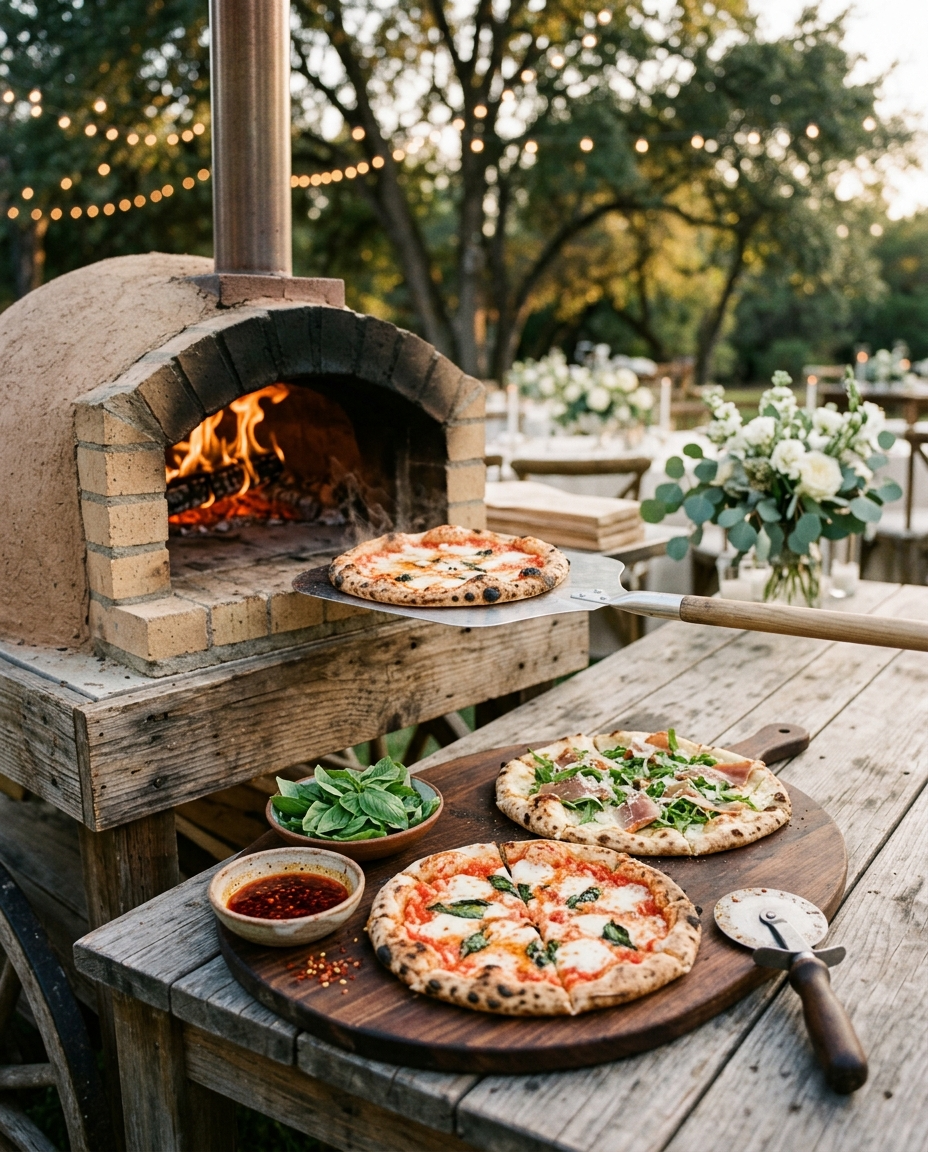
Wood-fired pizza stations at weddings have moved from quirky to mainstream in the last three years. The format: a small wood-burning oven (rented or trailer-style), a pizzaiolo making pies live throughout the reception, three to four pizza options rotating every 20 minutes. Cost runs $45-$75 per head, which is competitive with mid-tier plated catering.
Pasta stations work similarly. A chef on-site rolling and cooking pasta to order, two or three sauces, served in small bowls guests pick up themselves. The interactivity is the part guests rave about, not just the food. Both formats outperform standard plated catering in our post-wedding guest-survey audits by significant margins.
"Food that gets remembered hits either end of the spectrum: deliberately simple done exceptionally well, or deliberately abundant. The middle is where memories die."
Family-style and grazing tables
Family-style service (the food arrives on large platters at each table, guests serve themselves and pass dishes) consistently outperforms plated dinners on guest satisfaction in our 2024-2025 audits. The format costs about 15 percent less per head than plated equivalents (fewer servers required) and produces meaningfully better food because the kitchen can plate fewer, larger items per dish.
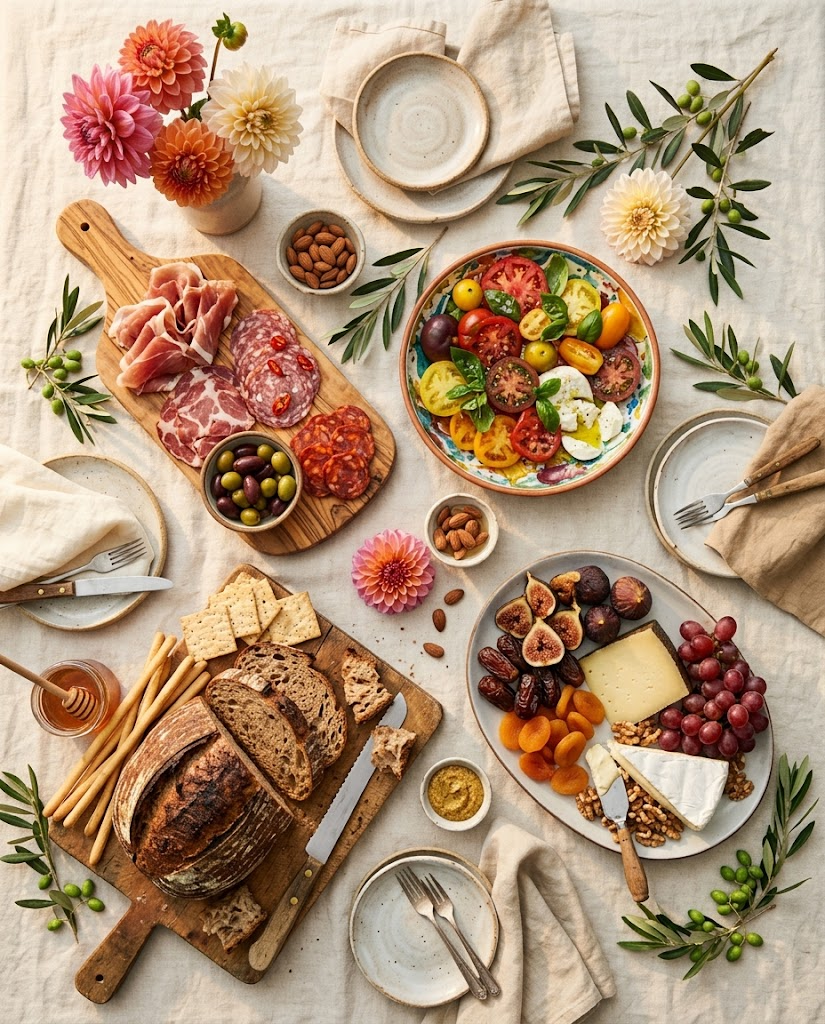
Grazing tables (a long buffet-style spread with seasonal vegetables, cheeses, cured meats, breads, dips) work especially well at cocktail-hour-heavy weddings where the dinner courses are lighter. The cost per head is roughly $30-$60 for a polished grazing setup with quality ingredients. Pair with one warm dish (a roast, a pasta, a stew) for the actual dinner course.
The wedding food ideas that consistently rave
These are the formats showing up in our 2025-2026 guest-survey responses with the highest 'still remember it' rates. The pattern: deliberate over generic, real food over reception food, interactivity over hidden kitchens.
- Wood-fired pizza or pasta station — interactive, photogenic, $45-$75/head
- Family-style platters at each table — guests-serve format, $60-$110/head depending on menu
- Grazing table for cocktail hour + one warm course for dinner — $50-$90/head total
- Plated dinner with one truly excellent course (the entrée done unexpectedly well) — $90-$160/head
- Late-night snack stations (fries, sliders, tacos, pancakes) — $8-$18/head, highest guest-rating per dollar of any wedding food category
The plated dinner that actually works
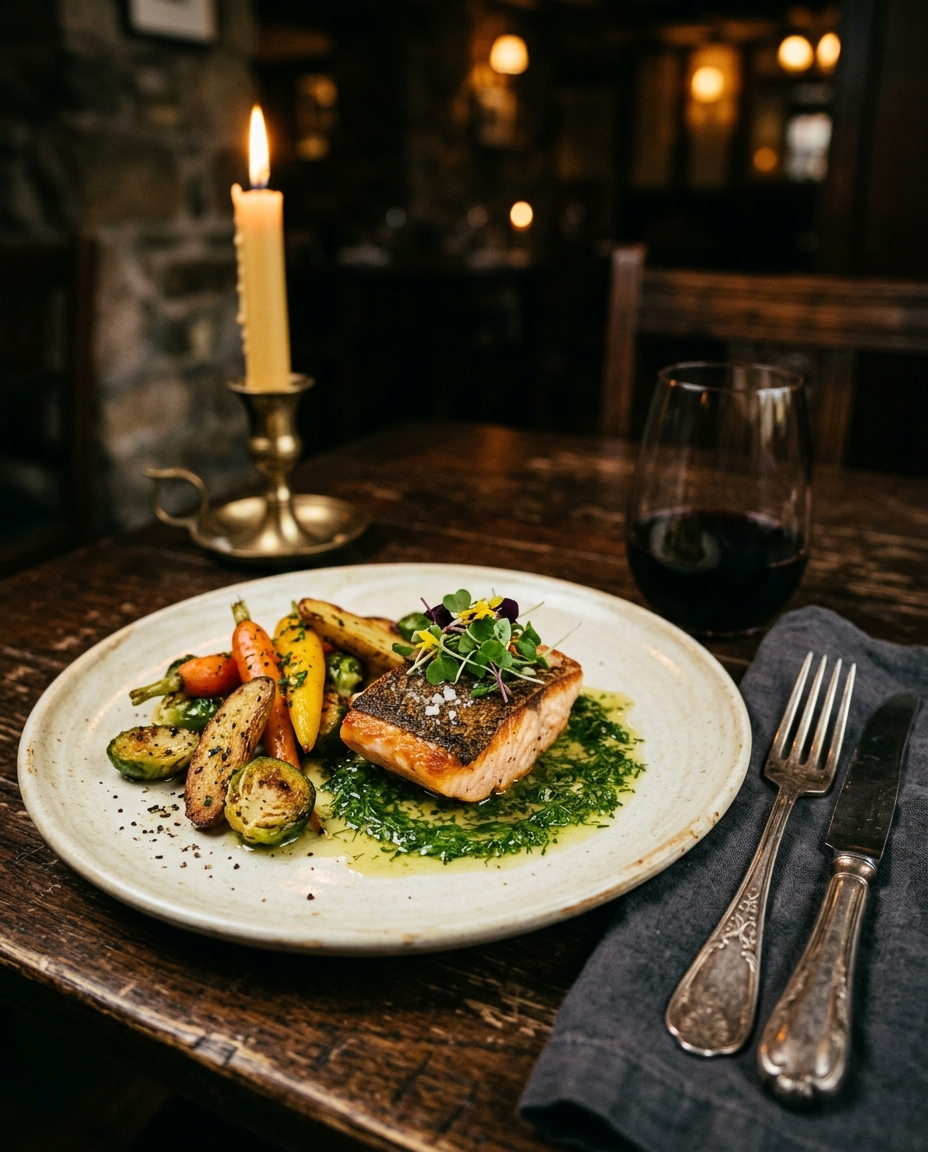
Plated dinners can rave-worthy, but only when one course is genuinely excellent rather than three courses being uniformly safe. The pattern: spend the food budget heavily on the entrée. Make it a single protein done exceptionally well (a slow-braised short rib, a seared local fish with a real sauce, an unexpected pasta dish with named provenance ingredients).
The other courses can be smaller and more standard. A simple seasonal salad and a thoughtfully chosen dessert frame the entrée without competing for kitchen attention. Concentrating the food budget on one dish, executed well, beats spreading it across three courses that all come out 6/10 because the kitchen was juggling.
Late-night snack stations (the highest rating per dollar)
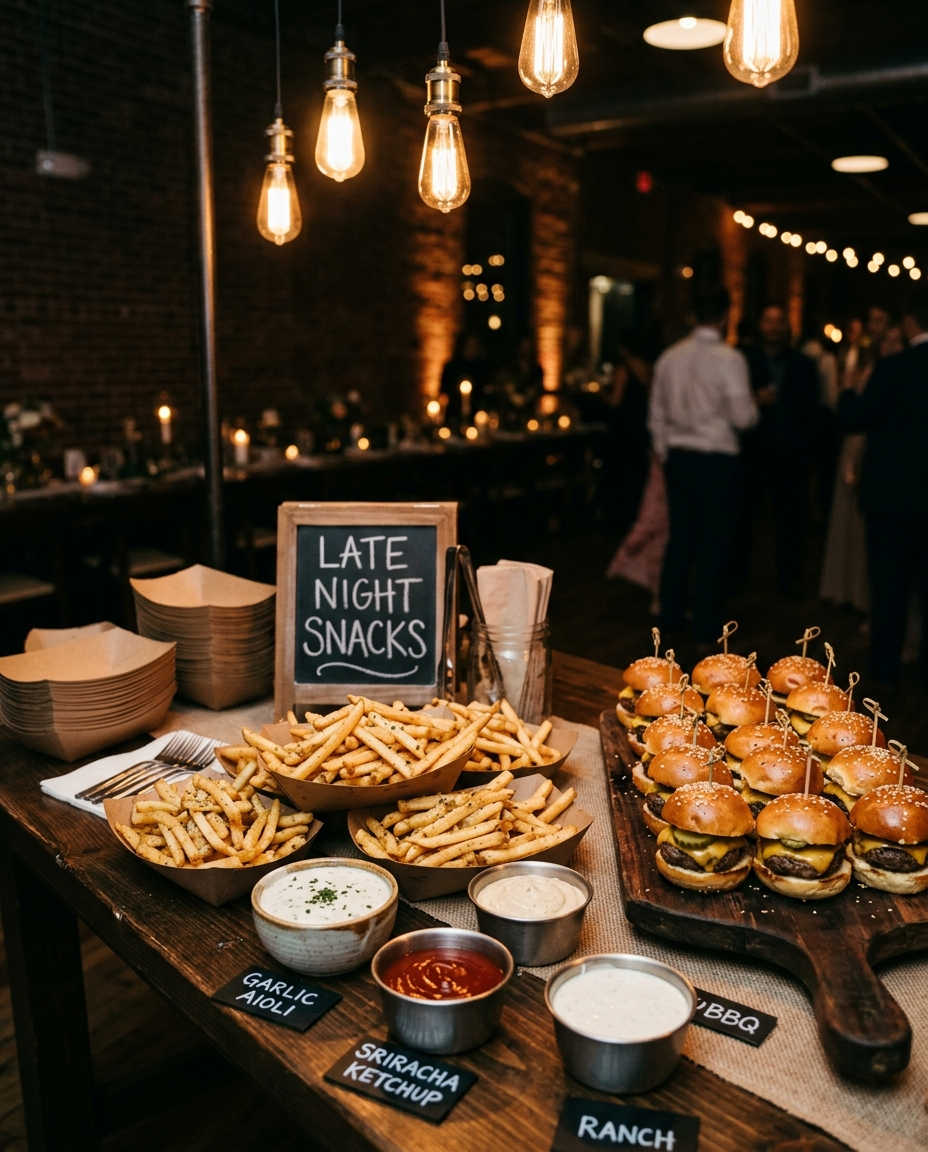
Late-night snacks at weddings — small paper trays of fries, sliders, mini tacos, gourmet pretzels, even pancakes for late-night dancing crowds — consistently produce the highest guest-satisfaction-per-dollar ratio of any food category we've audited. At $8-$18 per head for a real late-night snack station, the format ends up referenced more often in guest follow-ups than the dinner course was.
The reason: timing. By 10 or 11 pm, guests have danced for two hours and are genuinely hungry. The food arriving then is met with significantly more positive reception than the same food at 7 pm dinner would be. The smart 2026 wedding budgets for a late-night snack station from the start; couples who add it as an afterthought often find it the most-praised element of the entire menu.
What we'd skip
Three-course plated dinners where each course is generic, the dietary-accommodation alternatives are afterthoughts, and the menu wasn't tasted in advance (the caterer's standard pitch in many U.S. markets). Buffet stations that try to do six cuisines at once (mediterranean plus mexican plus italian plus asian — quality goes down in proportion to variety). Anything labeled 'modern American' on a banquet menu without specifics.
Also worth skipping: dessert tables with twelve mini-pastry options. Six is the right number, and most guests pick one or two regardless. The visual abundance signals at-effort, but the actual consumption rate doesn't justify the cost; smaller, higher-quality dessert spreads consistently outperform.
FAQ
Frequently asked
How much should we budget for wedding food per head in 2026?
Realistic ranges by format: grazing-style $30-$60/head, family-style $60-$110, plated $90-$160, premium curated tasting menu $180-$300. Late-night snacks add $8-$18 on top of dinner. Most couples we audit at the $35K-$60K total-budget tier spend $80-$120 per head on food. Above $150 per head for dinner alone, returns diminish noticeably.
Should we have a tasting before booking the caterer?
Always. About 35 percent of caterers we audit have a meaningful quality gap between their portfolio photos and their actual food. The tasting is the only way to confirm fit, and any caterer who refuses tastings or charges aggressively for them is signaling something to pay attention to. Plan for tastings 4-6 months before the wedding.
What's the most overrated wedding food trend right now?
Charcuterie cone stations at cocktail hour. The format peaked in 2022-2023 and has aged into Pinterest-cliché territory. The food is fine; the format reads as wedding-of-the-year-from-three-years-ago. The grazing-table version at the same dollar amount tends to feel more confident and more 2026.